

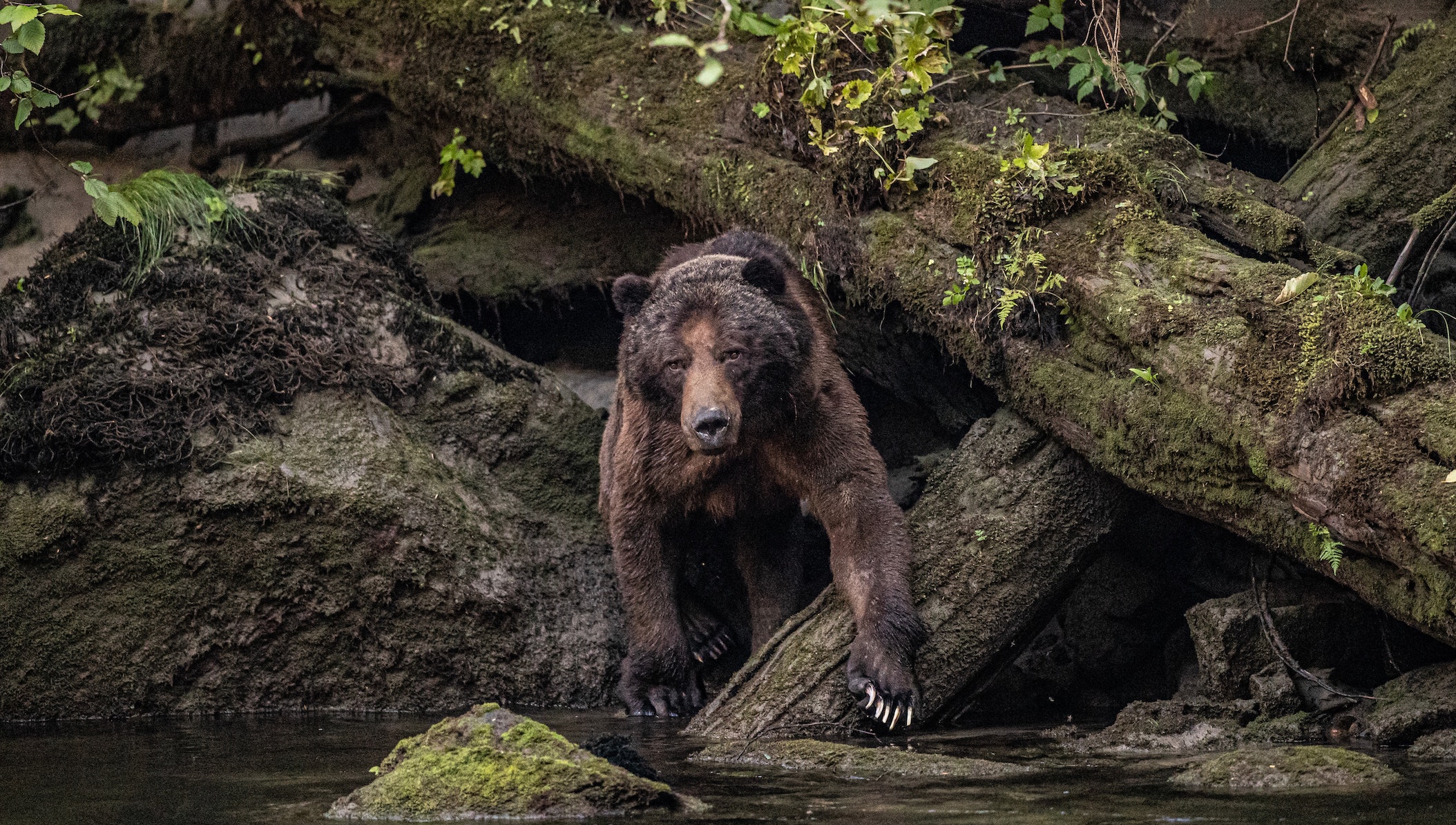
British Columbia’s natural parks, historic sites, and conservation areas are gateways to nature, adventure, and discovery. The chance to observe wildlife as they go about their natural lives is one of the most fascinating experiences that Boundary Country wilderness has to offer.
Along with this opportunity, however, “comes the responsibility to treat wildlife with the respect they need and deserve,” according to Parks Canada. The organization compiled tips on staying safe and respecting wildlife outdoors.
“Stay Safe, Respect Wildlife” is part of Explorer’s Guide to Boundary Country, an ever-expanding resource published by the Midway Advance online and in print. Explorer’s Guide equips you with a complete toolkit to maximize fun, discovery, and safety across all seasons and activities throughout the region.
Research First
Each place is home to a variety of wildlife. “These protected areas are home to thousands of different species of mammals, birds, reptiles, plants and other wildlife,” notes Parks Canada.
Find out important information about animals that live in the place you will be visiting by researching the Parks Canada website before you arrive. And remember…
Don’t Feed Wildlife
Feeding wild animals includes accidentally leaving food out or not properly disposing of garbage, teaches animals that humans provide food. Once an animal has tasted human food, it may begin to seek it above all other sources of natural foods.
“Feeding wildlife in a national park or a national historic site is illegal and you may be charged under the Canada National Parks Act,” the government says.
Leash Your Dog
Like wild animals such as wolves and coyotes, domestic dogs can cause stress for wildlife as they may be seen as a threat. Off-leash dogs can also trigger aggressive behaviour from wildlife, according to Parks Canada; Studies have shown that dogs off-leash is one of the most common causes of wildlife attacks.
“If your dog is off-leash, you may be charged under the Canada National Parks Act and pay fines up to $25,000,” says Parks Canada. We recommend canine companions adhere to the BARK Principle.
Keep Sites Clean
Many already know that leaving food out at a picnic site or campsite can attract wildlife, but did you know that wildlife is also attracted to any item that has an odour/smell? This includes garbage, dishes, pots and pans, stoves, coolers, dog dishes and toiletries (like soap, shampoo, and toothpaste). If you need to keep an alcohol-based hand sanitizer on your person or in your tent, choose a product that is unscented and keep it in a sealed container.
Keep your picnic site and campsite clean of attractive smells by storing all scented items in your vehicle or in designated storage lockers. As soon as you are done cooking, eating and washing up, put everything away in a vehicle or storage locker.
Hike Mid-Day
Many animals are most active in the early morning hours during sunrise and in the early evening during sunset, while others roam during the night. It is therefore optimal to hike during the day, when most wildlife is least active, reducing odds of an encounter.
Give Wildlife Space
Parks Canada recommends using tools such as binoculars and high-zoom cameras to observe and capture moments of wildlife in nature.
“Remember that although this may be a once in a lifetime experience for you, these types of encounters may be happening many times a day for the animal,” the entity explains.
It is suggested that hikers maintain a minimum 30 meters distance from large animals (moose, elk, etc.) and a minimum 100 meters from predatory animals (bears, wolves, cougars).
Always Be Aware
Being aware of your surroundings at all times can help prevent unwanted encounters with potentially dangerous wildlife. Look for signs of nearby wildlife, such as fresh tracks or droppings, as well as freshly scraped soil or tree bark. Avoid wearing earphones to pick up on audio clues.
Making regular noise, such as with a bear bell or frequent conversation, will also help wildlife be aware of you in advance.
Stay on Trail
Trails in Parks Canada places are designed to take visitors to interesting locations while keeping them safe from hazards and protecting the environment.
“Always stay on designated trails and find out about trail closures or restrictions from Parks Canada in advance,” the organization says. “Be prepared to adjust your travel plans if necessary.”
Come Prepared
In the unlikely event of a threatening wildlife encounter, you want to be as prepared as possible. The simplest way to achieve this is with bear spray, which can be an effective deterrent in a surprise close encounter with a bear, and with other large animals such as bison, moose, coyotes, wolves, and cougars.
Most of these wildlife encountering tips aren’t just for hiking, either—they apply to animals met on the road as well, as the Ministry of Transportation and Infrastructure of British Columbia carefully points out.
Content provided by Woodfin & Co, a Great Canadian Wellness brand based in Boundary Country.
Discover more from THE MIDWAY ADVANCE
Subscribe to get the latest posts sent to your email.

